What is Insomnia?
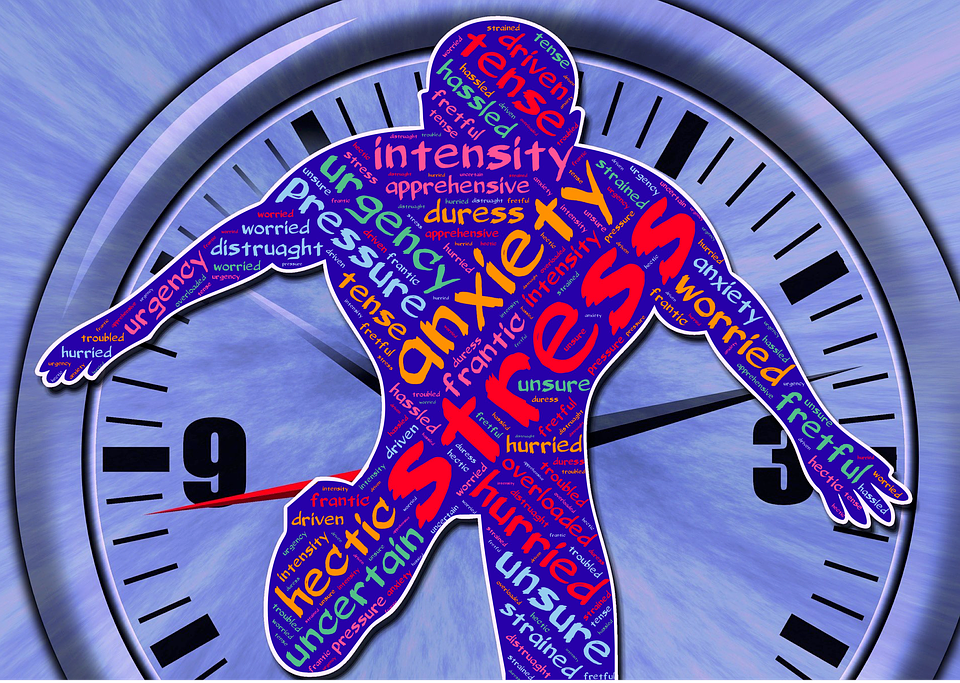
Insomnia typically is difficulty falling asleep or staying asleep. Insomnia occurs due to a wide range of reasons. Sometimes our lifestyles are so hectic that our body clock and rhythms are totally out of sync. Often at night instead of relaxing our minds – we stimulate them with being on the phone/tablet, reading books with our kindle, or watching the news on TV. With all this stimulation our body and brain will find it difficult to switch off and relax.
“It is impossible to solve stress with stress”
In addition, jet lag, alcohol, caffeine (and caffeinated drinks), heavy meals eaten late at night – all play their part in preventing us from having a deep and restful sleep.

Insomnia and Emotional Disturbances
Sleep is fundamental to our healing and repair process. We sleep best when we are content. Heightened emotional states and stresses can also interfere with our sleep. According to Inna Segal author of the wonderful book titled: ‘The Secret Language of Your Body’ insomnia is about the following – “can’t relax, feeling unsafe (fight/flight), unable to let go. Worrying, playing over things in your mind, dissecting situations. Feeling scattered, fearful, anxious, on guard. Harbouring feelings of guilt and resentment.”
When we accumulate stress throughout our day and our thoughts circle around emotions (especially fear and anxiety) – then understandably our brain switches into high gear. When we spend hours thinking, our increased brain activity prevents sleep. Our bodies are not designed to be on alert all day and night.
What to do if You Suffer from Insomnia
There are many ways to deal with sleeplessness. Here are some of the ones we find helpful:
- Ensure you have the right mental approach to help you sleep: prepare and expect to sleep
- Ensure the temperature in your bedroom is a little cooler, perhaps open the window slightly (only if it’s safe to do so), use calming smells like lavender on/in your pillow, have heavier blankets on the bed (can often be soothing)
- Ensure your room is darkened, remove LED lamps, switch off equipment that have small red standby lights
- Take time during your day to meditate so that you feel calmer, more peaceful and rested
- Pamper yourself with a wonderful massage or reflexology treatment – choose from the list here
- Regulating the hours that you spend sleeping, discover the best time for you to go to sleep
- Take an hour to unwind before you go to bed
- Establish an evening/’pre-sleep’ routine: take gentle exercise – like yin yoga, meditation class walking meditation or walking in nature, avoid using electronics like your phone for 2 hours prior to going to sleep; drinking calming drinks – like chamomile tea or milky turmeric drinks; take a warm bath e.g. with Epsom salts or aromatherapy oils; listen to relaxing music; play a relaxation MP3 sleep recording; read a printed book; lie in the Savasana yoga pose
- Attend a local meditation class or have your own private meditation consultation to learn how to relax your body and wind down your mind
- Make sure you go out in the day and get a little sun exposure (Vitamin D)
- Consider getting help with your moro reflex to come out of the ‘fight or flight mode’ so that you can feel safe again

Insomnia MP3 Recording
You don’t have to struggle with sleepless nights. Help is available! Start with our MP3 Sleeping Deeply Through the Night recording. Talk to a friend or consider working through some of your difficulties, feelings or stress in a confidential consultation.
Persistence Pays
As with any habit, you will need to be persistent – you may not experience sleep the first night or the second, but you will in time. Please be patient and gentle with yourself as you make these changes.
Contact Us
If you want to change how you go to sleep, please contact us. We provide personalized, confidential consultations either in person in Cobh, CO. Cork, Ireland or at the Natural Clinic in Cork. Our consultations support you through a process of positive change towards sleep. Call us on: (Ireland) 087 149 2338 for a chat – or click here to arrange a time to talk.
If you don’t live in Ireland, we can still work together online via Skype and Zoom from the comfort of your office/home.
Alternatively take some time for yourself and join us for our potent Weekend Retreats. Our next is in June, then September. More dates here.
If your organisation is looking to provide bespoke mindfulness training to your employees please contact us to discuss your needs.

 In the room of 200, he asked, “who would like this $20 bill?” Hands started going up.
 Avoid comparing yourself with others, accept your differences – if we were all the same the world would be a very boring place.
 Final Quote

 My mind wouldn’t stop. Instead of slowing down it became incredibly active, going 90-to-the-dozen! I’d have a shopping list of things come up in my mind, all sorts of random ridiculous thoughts. I would get so frustrated. The exact opposite of what I was attempting to achieve (sigh).
 Better memory, and an enhanced ability to process information and solve problems

 Our lives are filled with many different stresses, challenges and distractions. So easily we can get side-tracked with daily work and family routines/commitments that we forget to (or more importantly) don’t schedule time off. The more stressed we become, the more difficult it is to pull away. The harder we work, the more we start to come out of balance not only mentally, but physically, emotionally and spiritually. As our “to do list” increases, the more we get lost. It can take a while to find ourselves again.
 Attending a weekend retreat gives us a chance to detach and unplug as we get away from work, TV, wifi, tablet and cell phone. Any amount of time we spend in nature will bring a sense of inner peace and refreshment to our mind and soul. When we have some fresh air, exercise and take in wonderful views our bodies feel renewed too.
 gain more awareness, understanding
 I first learned about this style of meditation when I attended a silent retreat on the
  Before you begin your walking meditation, be sure to focus on your posture. Stand up straight, with balanced posture and have your eyes forward (or eyes turned slightly downward to watch where you are going). If possible, walk with a relaxed, easy, rhythmic stride and make sure you breathe deeply into your abdomen to get a good expansion of your lower ribs. Walk with our without music. Remember though, silence is golden – you’ll miss the amazing sounds of nature if you have your headphones on. As with any meditation, thoughts will come and go. Do your best to observe them, not get caught up in them or be annoyed by them. Thinking is what your mind is used to doing, so initially it won’t be used to you stopping your thoughts. Persevere, it’s worth it!
 You may find like Forrest Gump, kilometers (or miles) disappear beneath your feet as you walk your troubles, concerns and cares away! A side-effect of walking meditation is that you might get some:

 Scream – Take a drive, (or even on your way home) wind the window down, stick your head out of the window, let rip and scream out loud! Let it go and then arrive home feeling very calm. One tip – it’s best not to do this in built up areas ;o}
 In his book, the
 When we start to become aware of this outdated programming we are able to begin to make changes. Firstly we can stop expecting others to make us happy – that’s not their job. We can also release the expectation of others being like us. In addition we get help to release the belief (and burden) that others should be the primary source of love in our lives. As we make changes and begin to focus on our inner world, we can start to fill our own love tank and take responsibility for our own happiness and well-being. The more we do this, the better we will feel.
 If you’d like to learn to fill your own love tank or explore any of the themes raised in this blog regarding loving yourself and others – feel free to

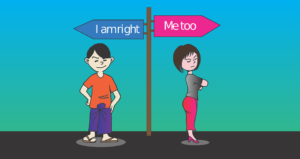 we argue, we rarely take the time to discover what is on the other persons’ map. We generally spend all our effort and energy defending our map, trying our best to convince the other person that our map is ‘right’. We never take a step back to look at their map. If we did, we’d discover that – surprisingly – we both want the same thing.
 So in any disagreement it’s helpful to stay curious to what is on the other persons’ map. We then have a few opportunities:


 :
: When we don’t love ourselves then everyone suffers. No-one gets the best from us, not even ourselves.
 Feeling insecure, needing reassurance, jealousy
 EFT is safe, gentle, and easy to use, with proven results. The clinical results over the last 15 years have been remarkable, as it frequently provides impressive results and these results are usually long lasting.